winning artistic project of the SIAE “PerChiCrea” award, under the patronage of the Italian Ministry of Culture.
The project Invisible Ecologies took form with the idea of reflecting on the relationship between humans and their environment through an emblematic local case: the interaction between the Arno River and the city of Florence. This relationship, rich in the sediments of time, becomes the threshold from which to articulate a broader reflection, scalable from local to systemic, on the mode of ecological and technologically mediated perception of reality. In this context, the act of observation is not imagined as a neutral gesture, but as a technical, transformative process, capable of generating functioning abstractions.
The subject is extraordinary: thousands of years old and mobile like the Arno River, and the project reflects on how the languages of measurement and those of speculation can coexist, generating new forms of knowledge and relationships. It is no longer just an object to be observed, here the river becomes a surface to be crossed, an organism capable of expression, a vehicle of other possible ecologies. Starting from this deeply probing perception, the project proposes an affective method of observation and speculation.
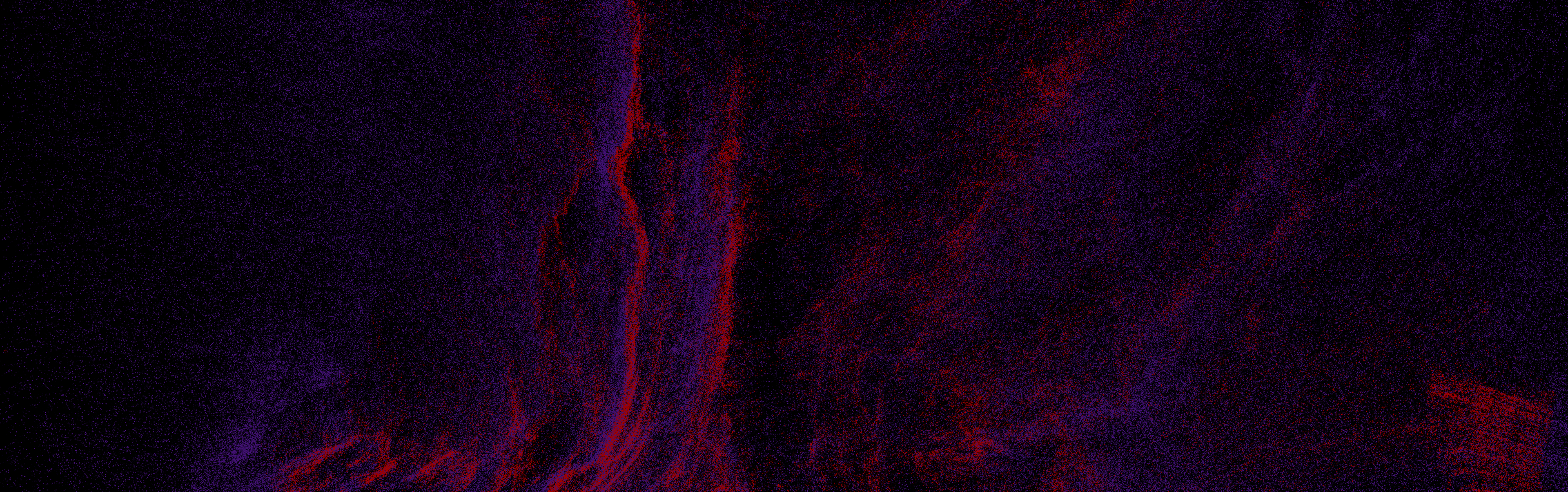
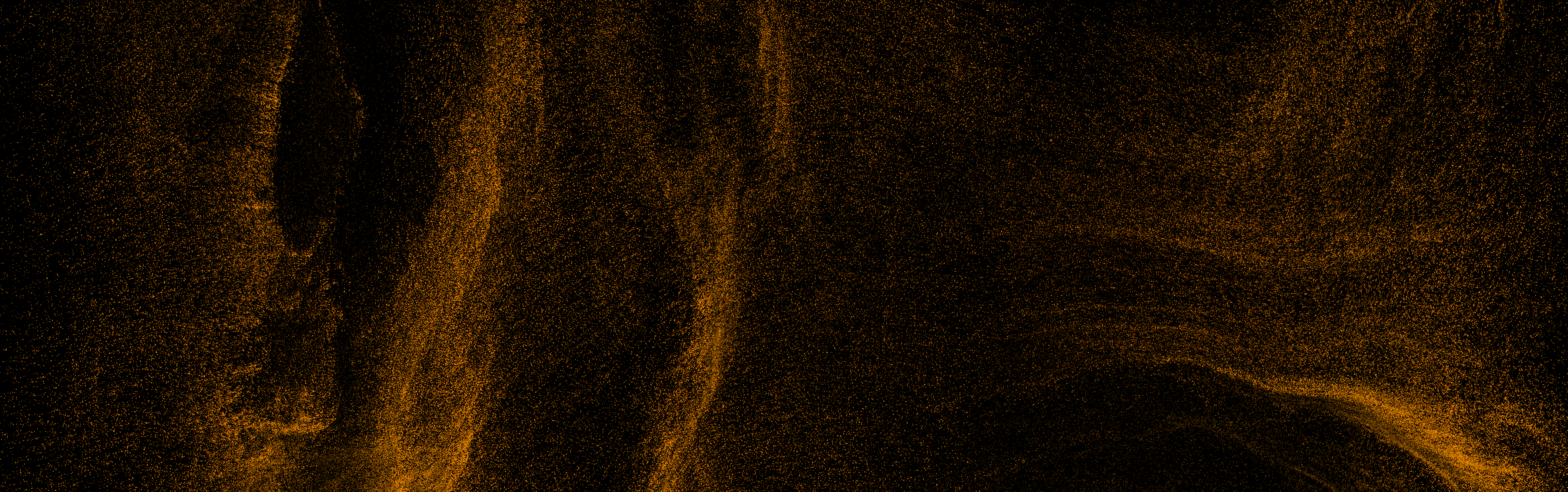
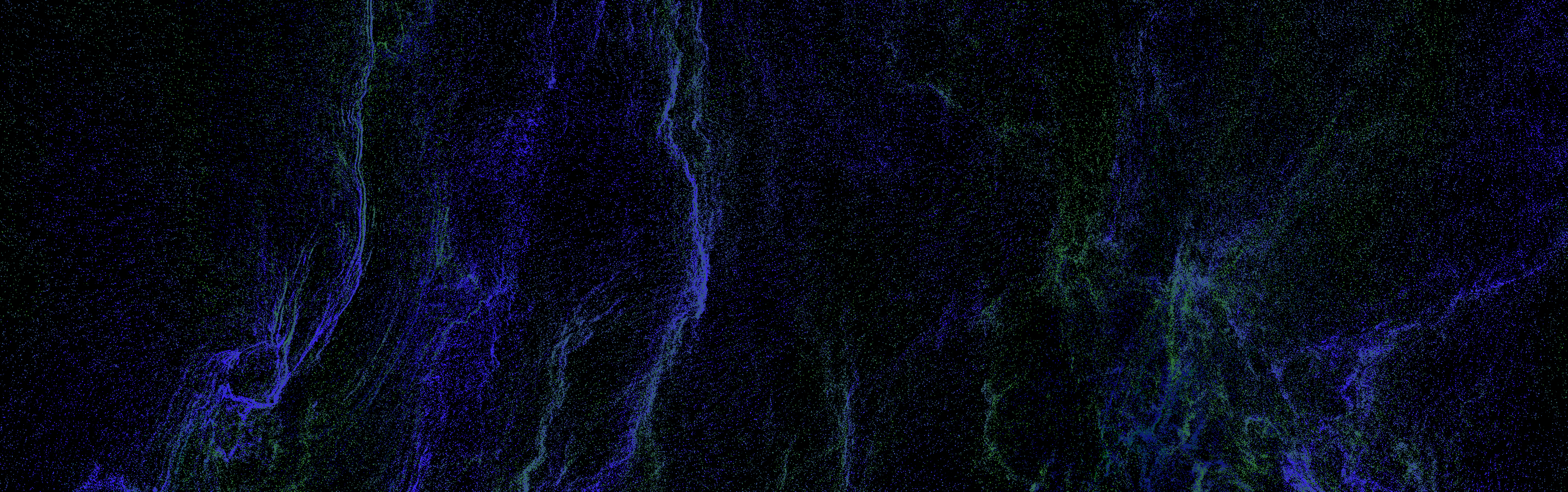
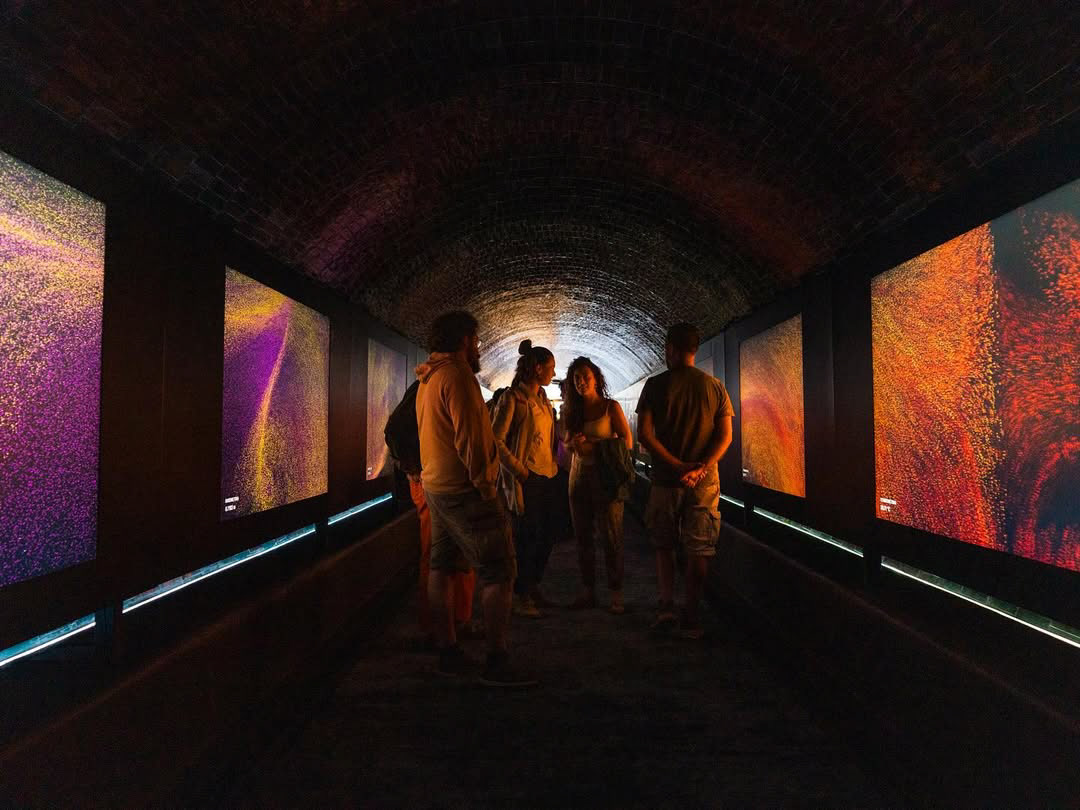
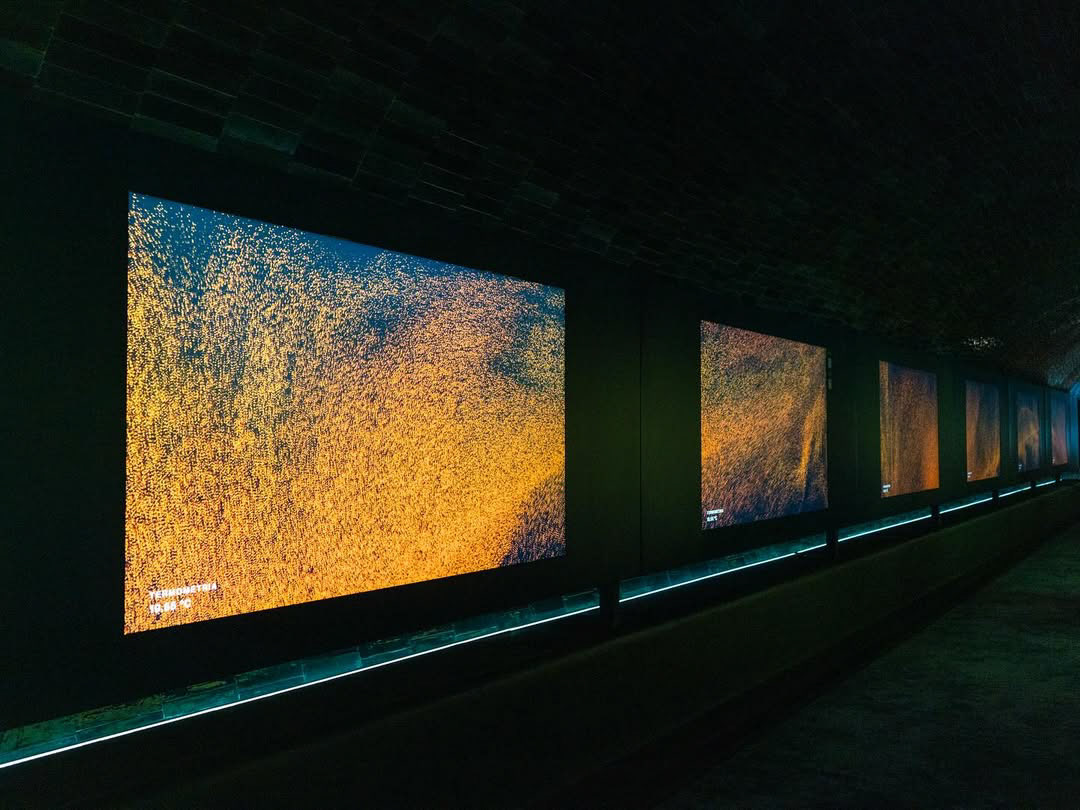
Using this new methodological perspective, Tommaso Cherubini produces an audiovisual work that relates visual languages to generative models. The two chapters that compose it – Decoding Signals and Encoding Visions – contrast with each other, using two languages, two explanatory logics. The former moves in the sphere of what the philosopher Yuk Hui defines, in his essay Recursivity and Contingency (2019) calculating reason: computation as a method construction of variables, and variables as a method of interpreting reality. In the recursive repetition of measurements, in the comparison between timing, data and levels, there is an excess, a remainder. The river, even when reduced to mere signal, does not let itself run out. It is here that the second way appears: that of speculative reason, which does not reject
the data but exceeds them, bursts through them, bends them to imagine other ways of existing.
The subject is extraordinary: thousands of years old and mobile like the Arno River, and the project reflects on how the languages of measurement and those of speculation can coexist, generating new forms of knowledge and relationships. It is no longer just an object to be observed, here the river becomes a surface to be crossed, an organism capable of expression, a vehicle of other possible ecologies. Starting from this deeply probing perception, the project proposes an affective method of observation and speculation.
Using this new methodological perspective, Tommaso Cherubini produces an audiovisual work that relates visual languages to generative models. The two chapters that compose it – Decoding Signals and Encoding Visions – contrast with each other, using two languages, two explanatory logics. The former moves in the sphere of what the philosopher Yuk Hui defines, in his essay Recursivity and Contingency (2019) calculating reason: computation as a method construction of variables, and variables as a method of interpreting reality. In the recursive repetition of measurements, in the comparison between timing, data and levels, there is an excess, a remainder. The river, even when reduced to mere signal, does not let itself run out. It is here that the second way appears: that of speculative reason, which does not reject
the data but exceeds them, bursts through them, bends them to imagine other ways of existing.
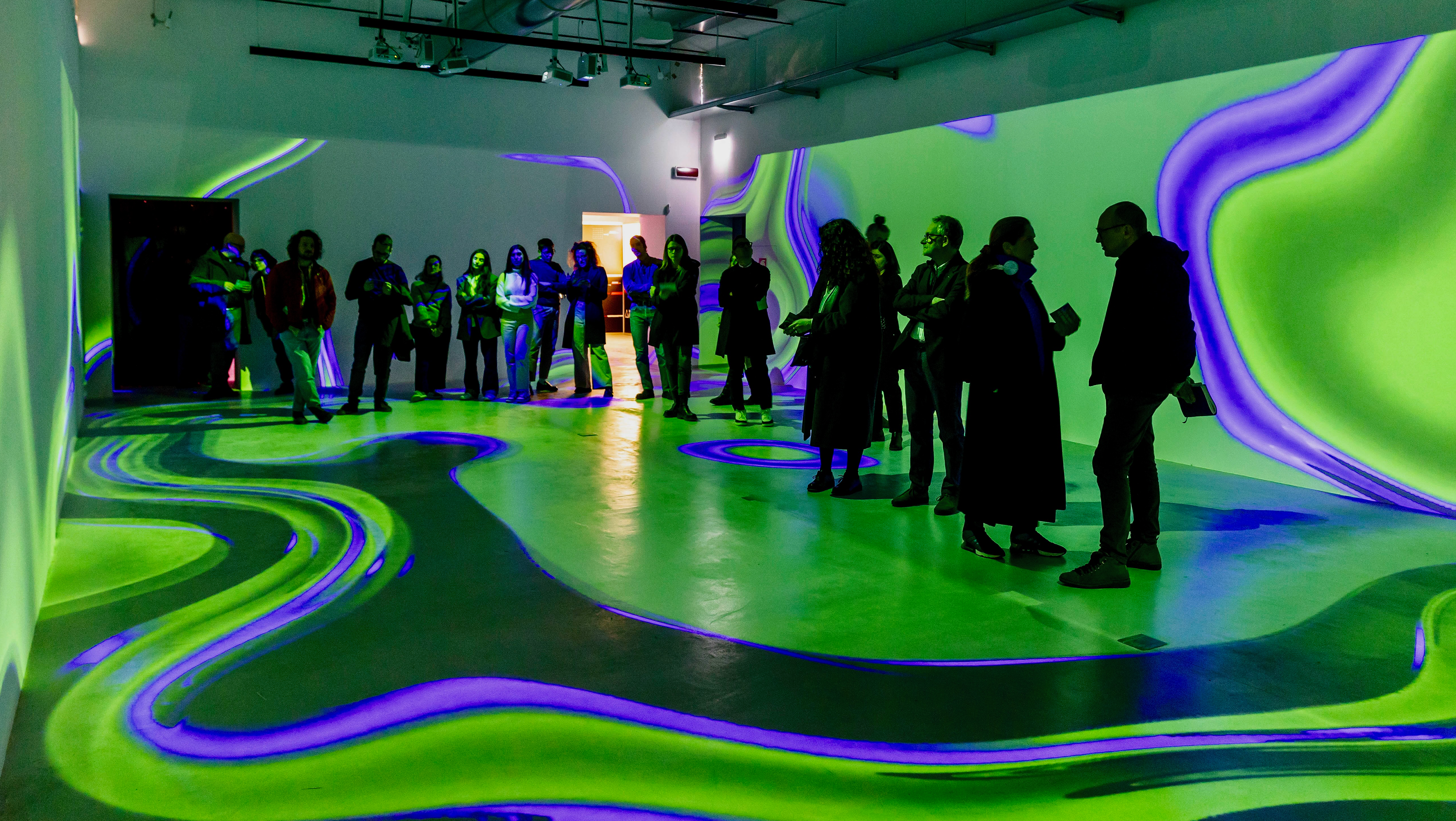
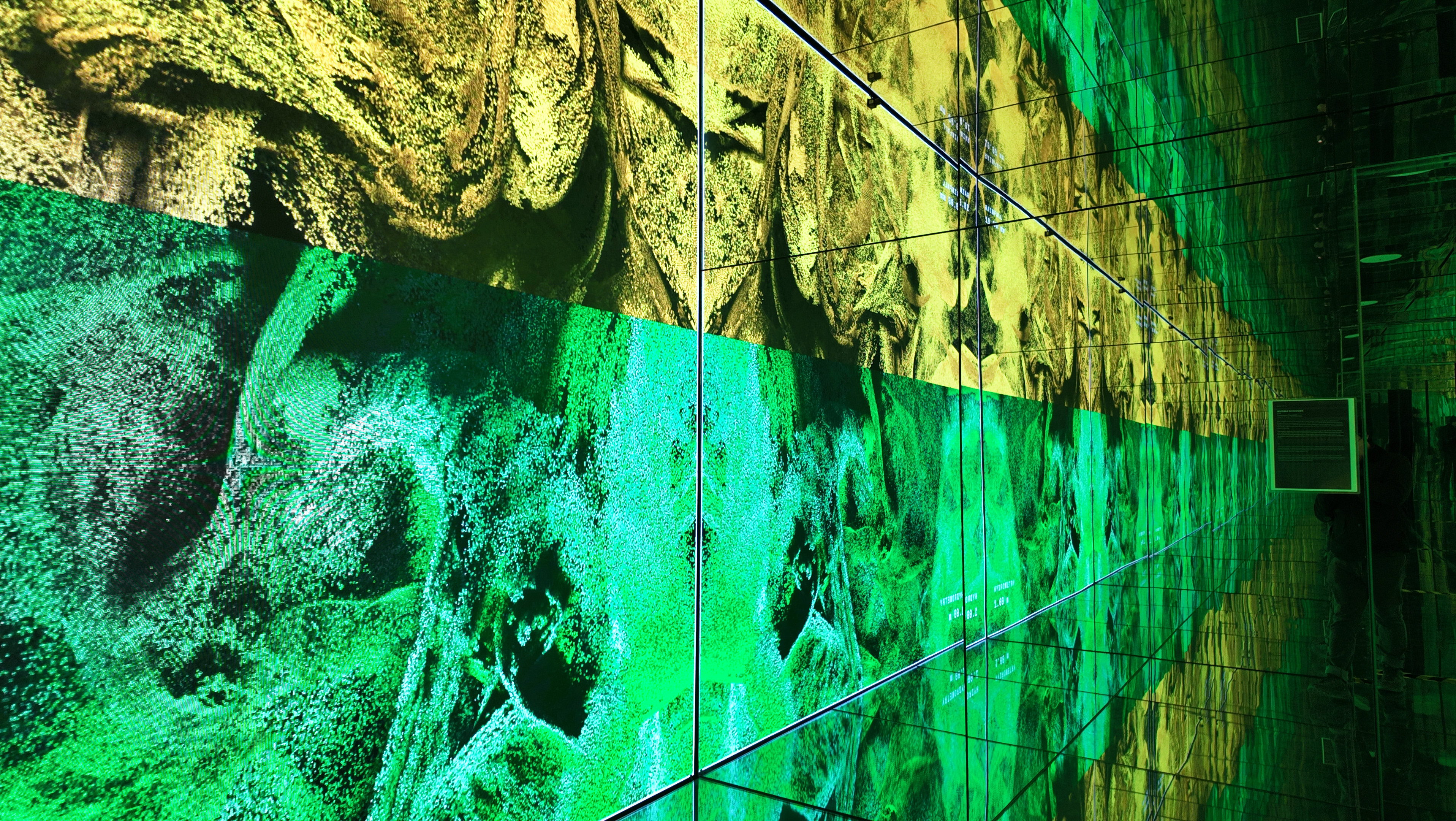
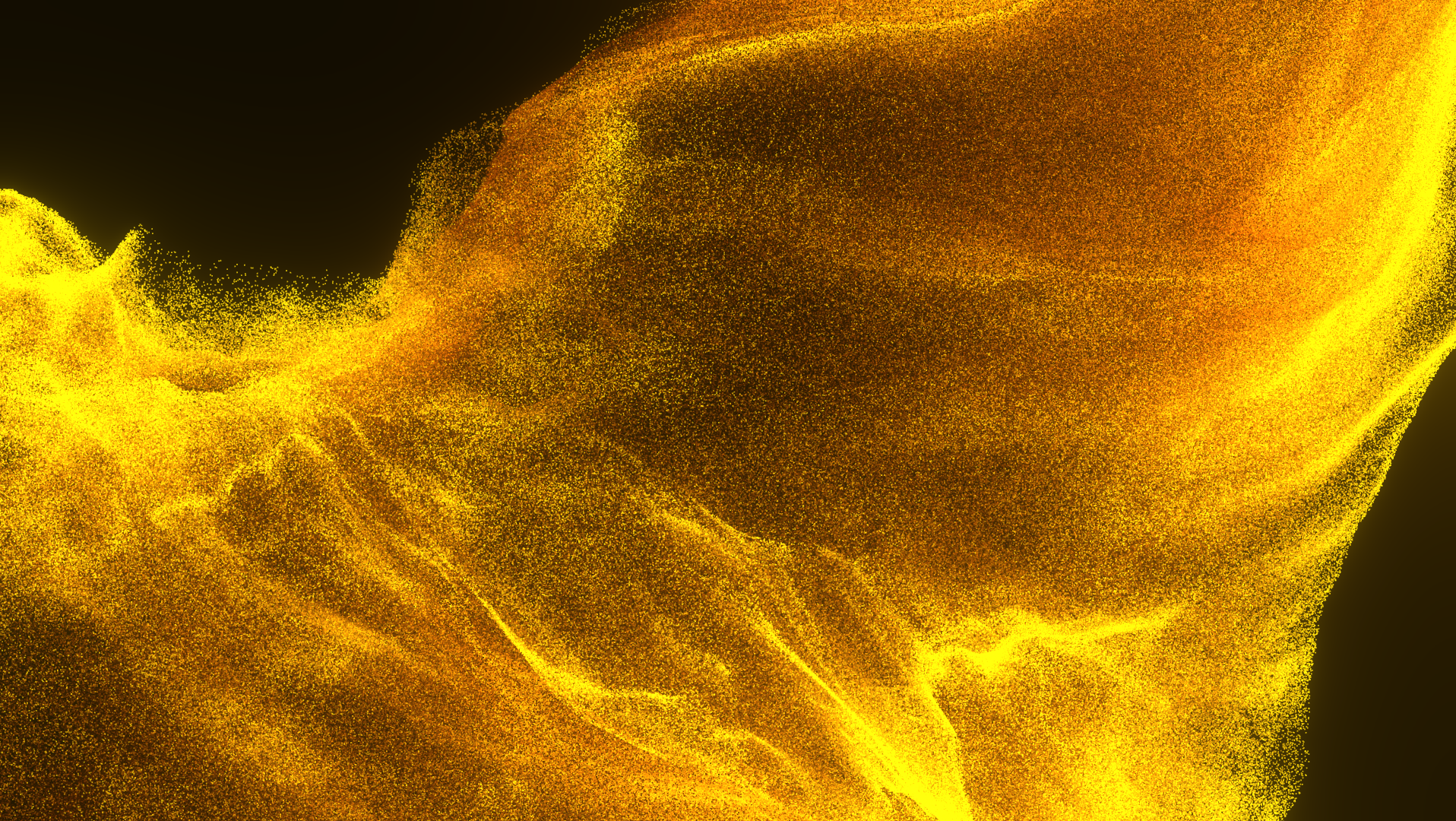
Decoding Signals re-elaborates the hydrometric, thermometric and pluviometric measurements of the Arno basin, drawn from the public archive of the Servizio Idrologico e Geologico della Regione Toscana, through parametric displays constructed in a digital environment of visual development whose form, color and movement follow an affective grammar inspired by Plutchik’s Wheel of Emotions.
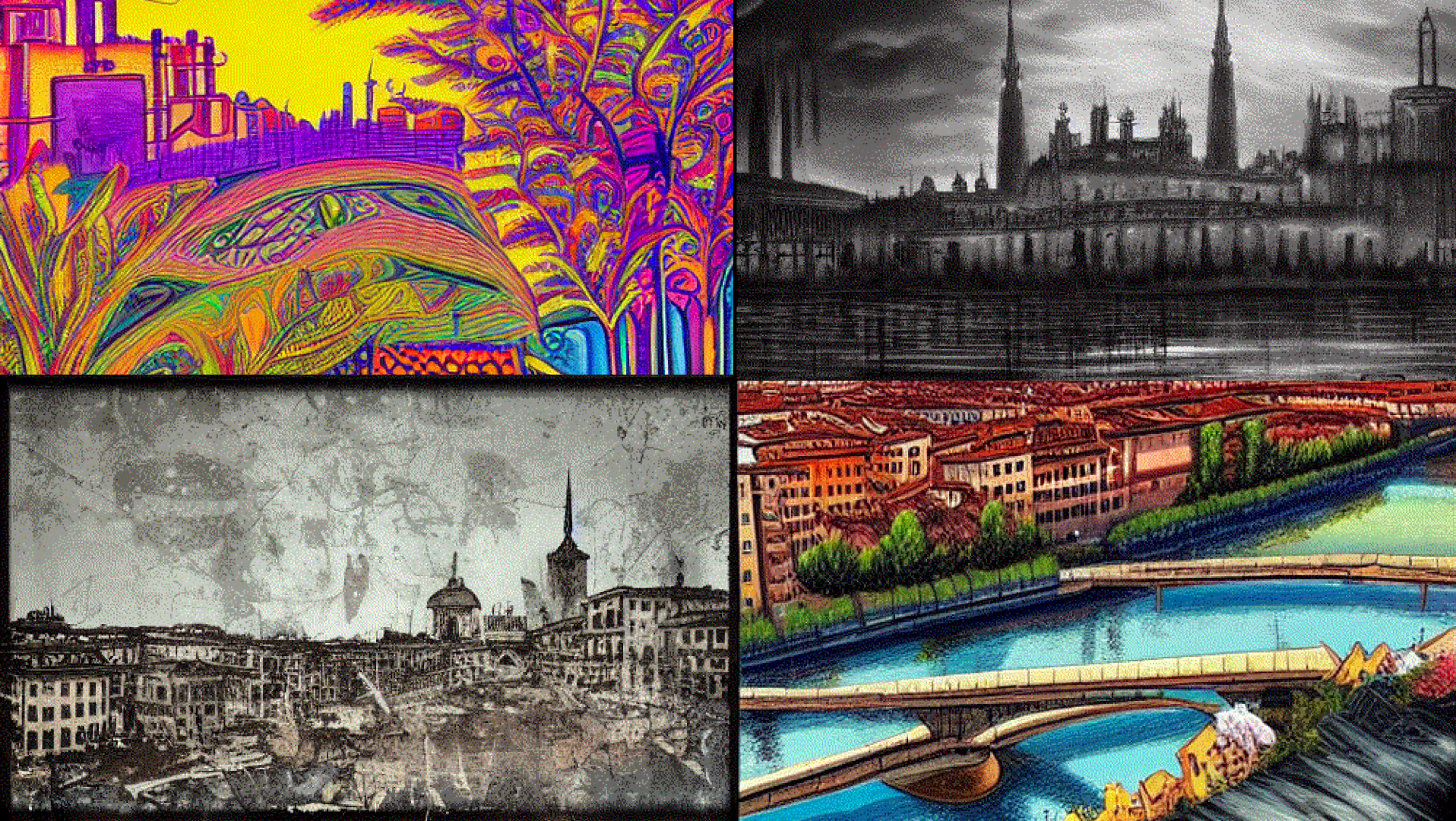
Encoding Visions assigns to models of generative AI the task of shaping non-anthropocentric environmental views, based on the phenomena observes, historical data, pictures and texts drawn from the archives. The generative models do not act here like arbitrary generators, but as devices for transfiguration: they upload the input to open it onto possible trajectories, settings that blur the borders between what has been and what might be. It is here that we see the play between probability and possibility, in which our perception shifts from the data to the relationship, and the river emerges as a subjective entity capable of renegotiating our position within the system observed.